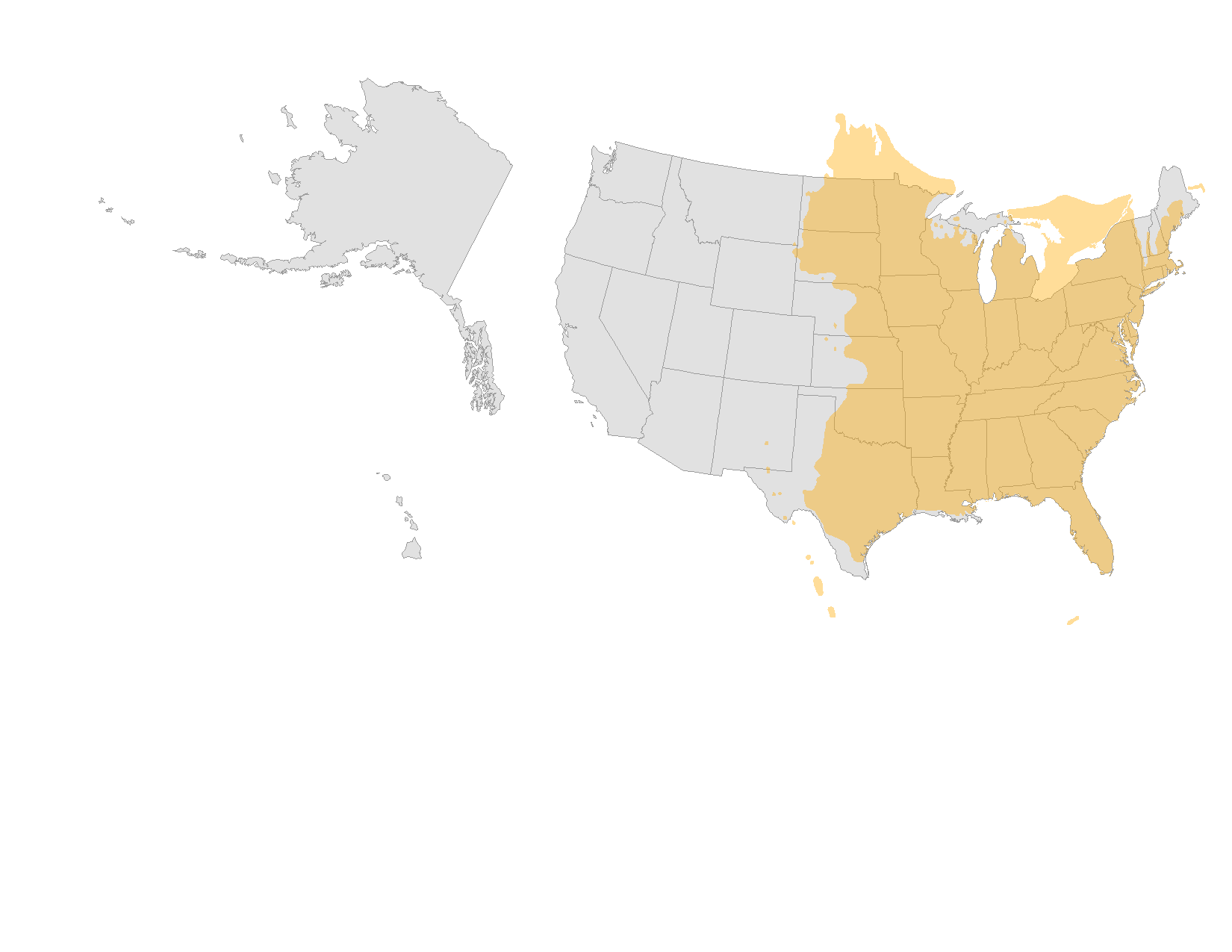
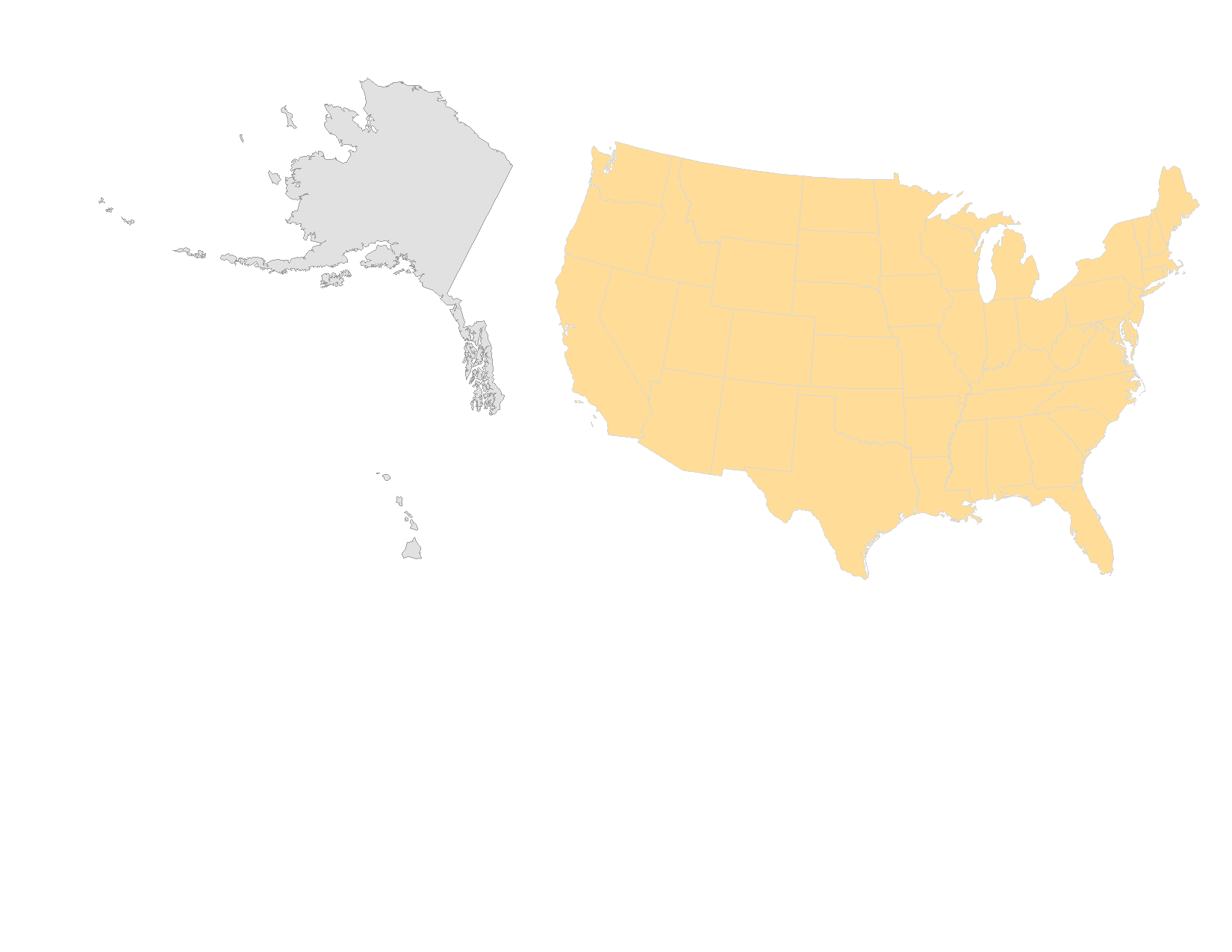
By participating in one of our regional campaigns you can help researchers answer key questions, get info-rich emails with localized results, and an end of season summary. Use the maps to determine which campaigns are appropriate for your location, and then learn the details on the campaign pages linked from the table below.
If you opt to participate in one of the campaigns, be sure to sign up to receive the campaign-specific email messages! These messages, arriving approximately every four to six weeks, will provide project updates and early results, helpful tips, and campaign-specific opportunities. Look for the sign up links on the campaign pages.
Pollen Trackers
Track flowering of allergenic species including birches, junipers, oaks, and more across the country and help improve allergy forecasts.

PollenCAST
Observe pollen cones and pollen release in Ashe's junipers in Texas and nearby states and improve predictions of Cedar Fever.

Nectar Connectors
Track flowering of nectar plants and help managers understand the phenology of important nectar sources for monarchs and other pollinators.
Green Wave
Track the Green Wave -- the flush of green that accompanies leaf-out -- in maples, oaks, and poplars across the country over the course of the spring, as well as the spread of seasonal color in the autumn.
Quercus Quest
Observe leafing and flowering of oak trees in the Eastern US to help researchers understand the complexities of oaks and their ecosystems.
Pest Patrol
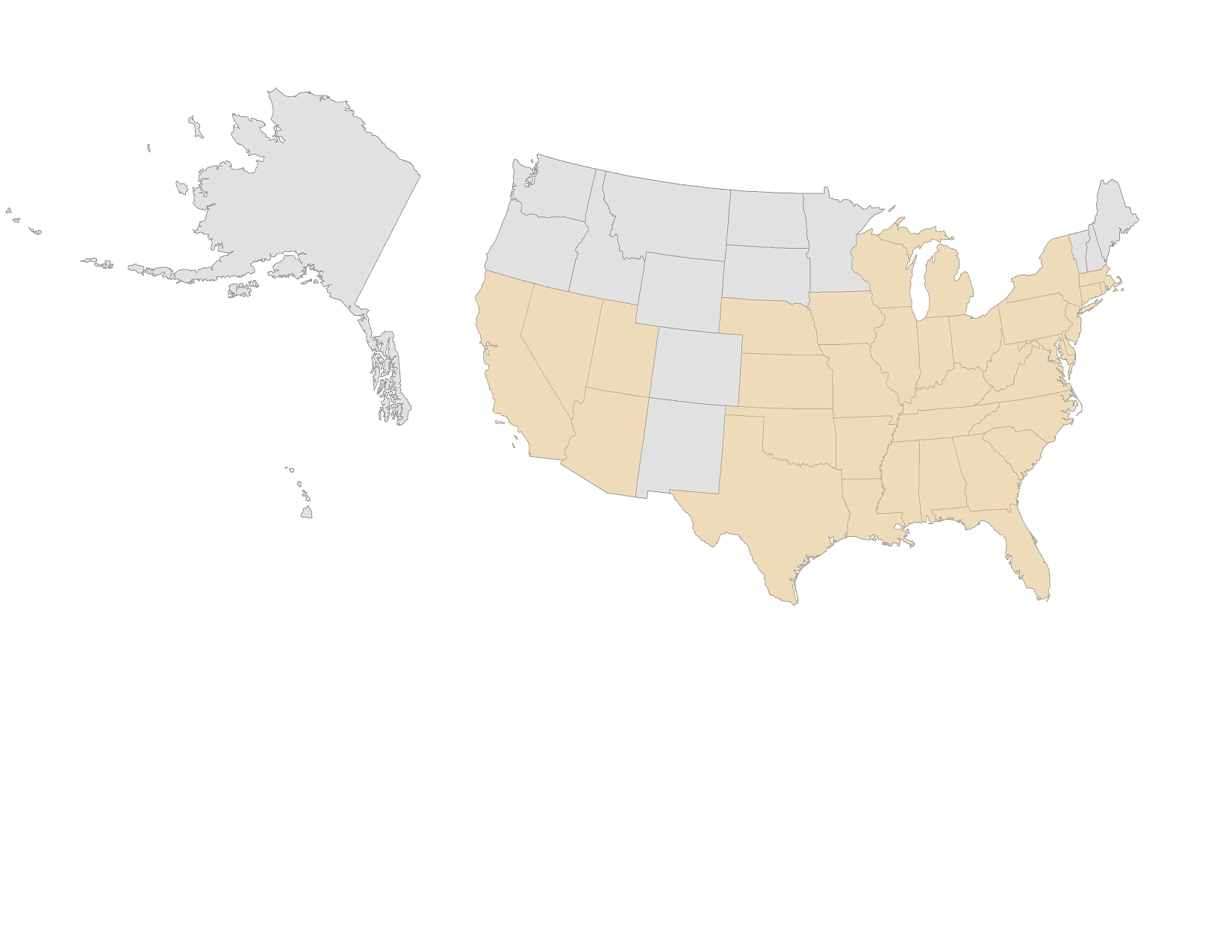
Watch for 14 species of pests that damage forest and agricultural trees and help improve the USA-NPN's Pheno Forecasts. You will receive notifications that tell you when to look for life cycle stages such as active caterpillars and active adults in your area.
The Redbud Phenology Project
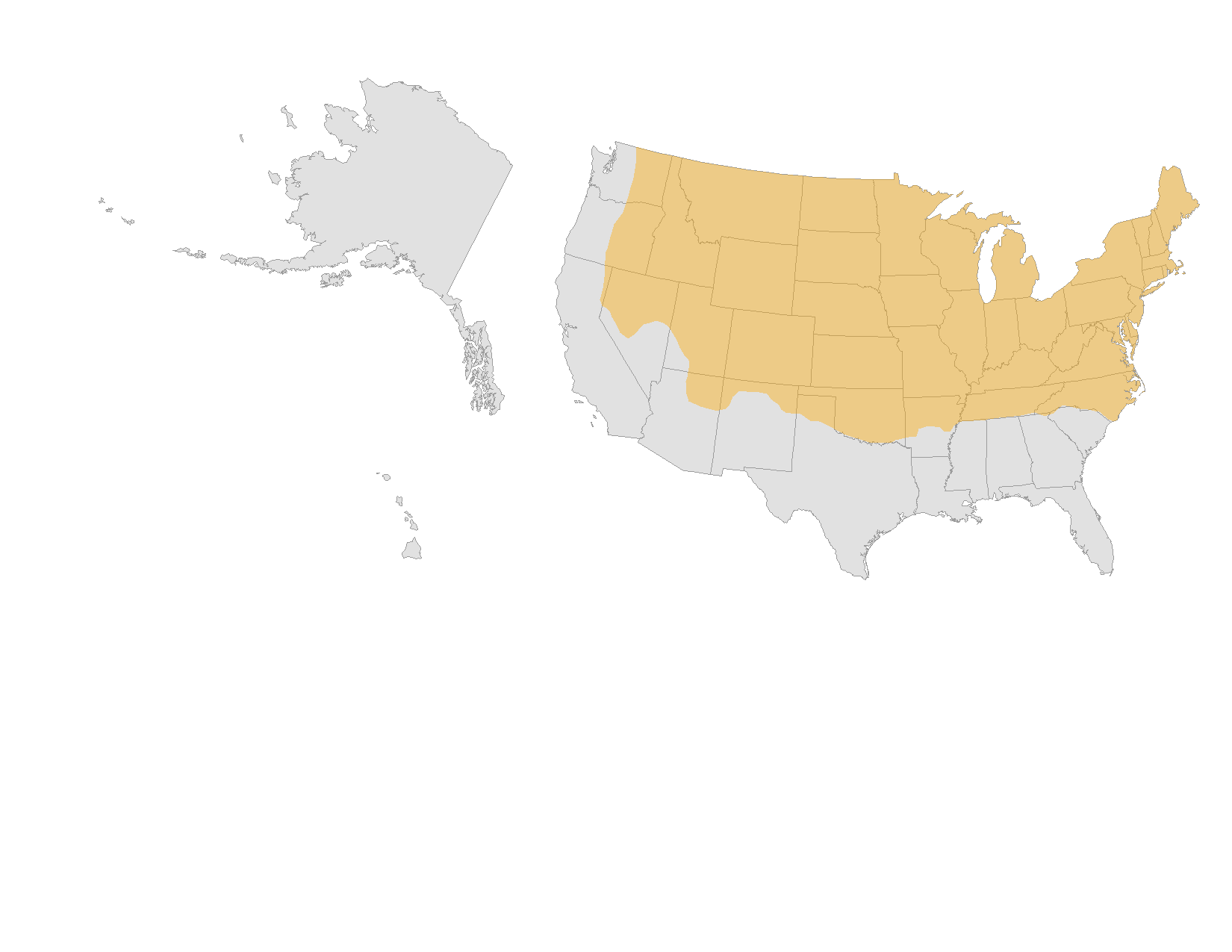
Track flowering and fruiting of redbuds, an icon of early spring, across their western and eastern range to see whether their timing is shifting.
Cloned and Common Lilacs
Plant and observe a cloned lilac or report observations of a common lilac already established in your yard and become part of a decades-long project tracking lilac phenology across the country.

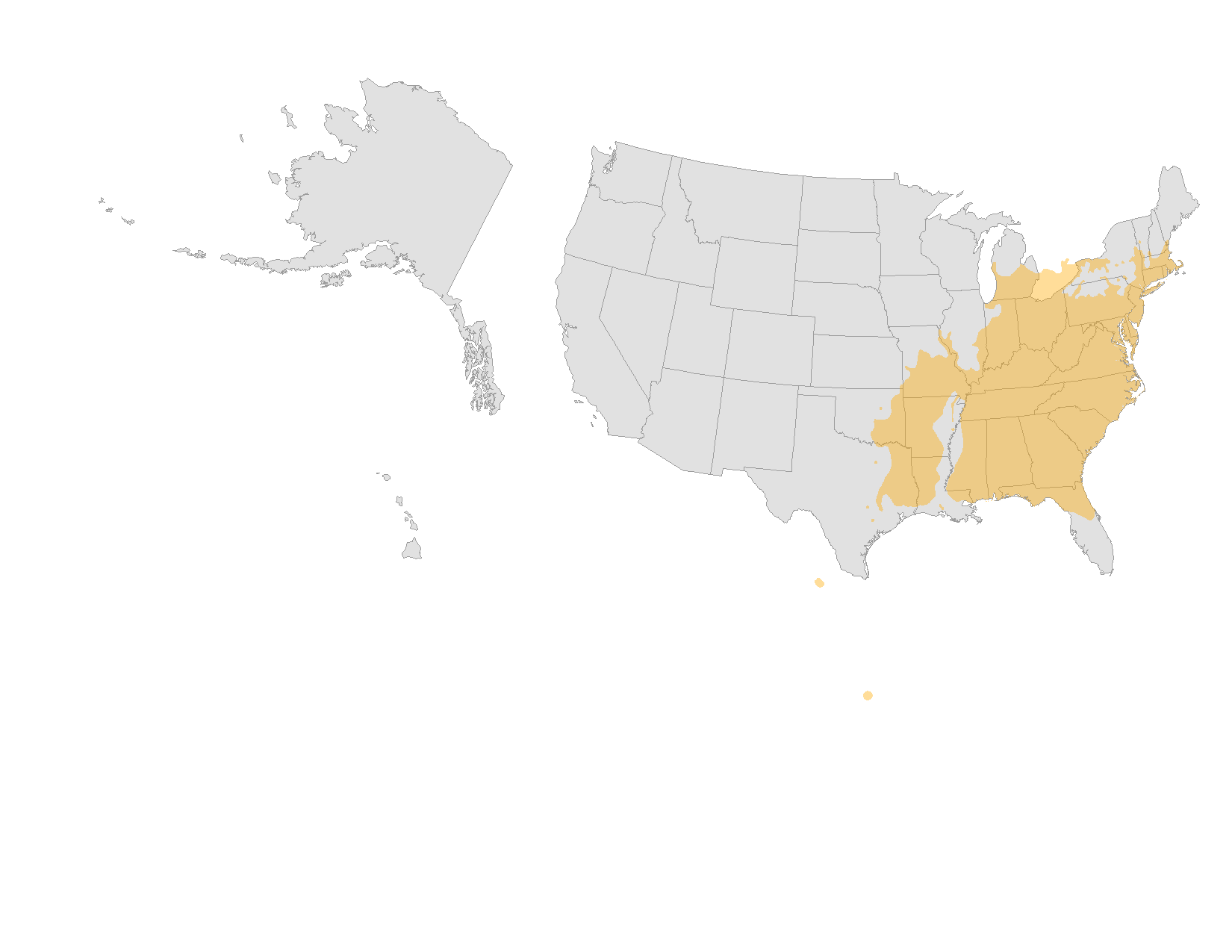
Cloned and Flowering Dogwoods
Track leafing and flowering of cloned and native flowering dogwood to enhance the Cloned and Common Lilac Campaign by filling in geographical gaps in data, especially in the southeastern U.S.
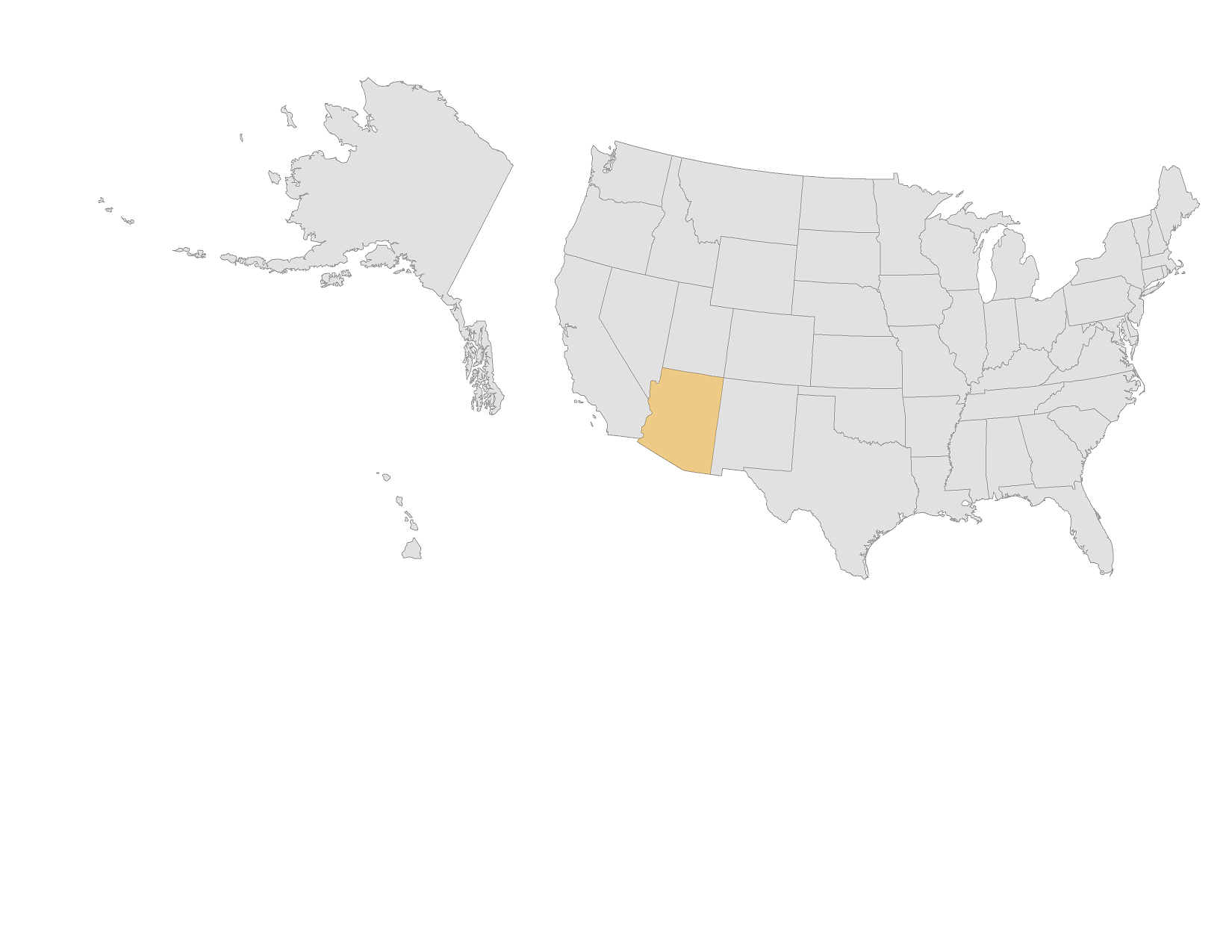
Desert Refuge
Track the phenology of monarchs and milkweeds in Arizona to help understand the unusual behavior of monarch winter breeding behavior and use of milkewed across the state.
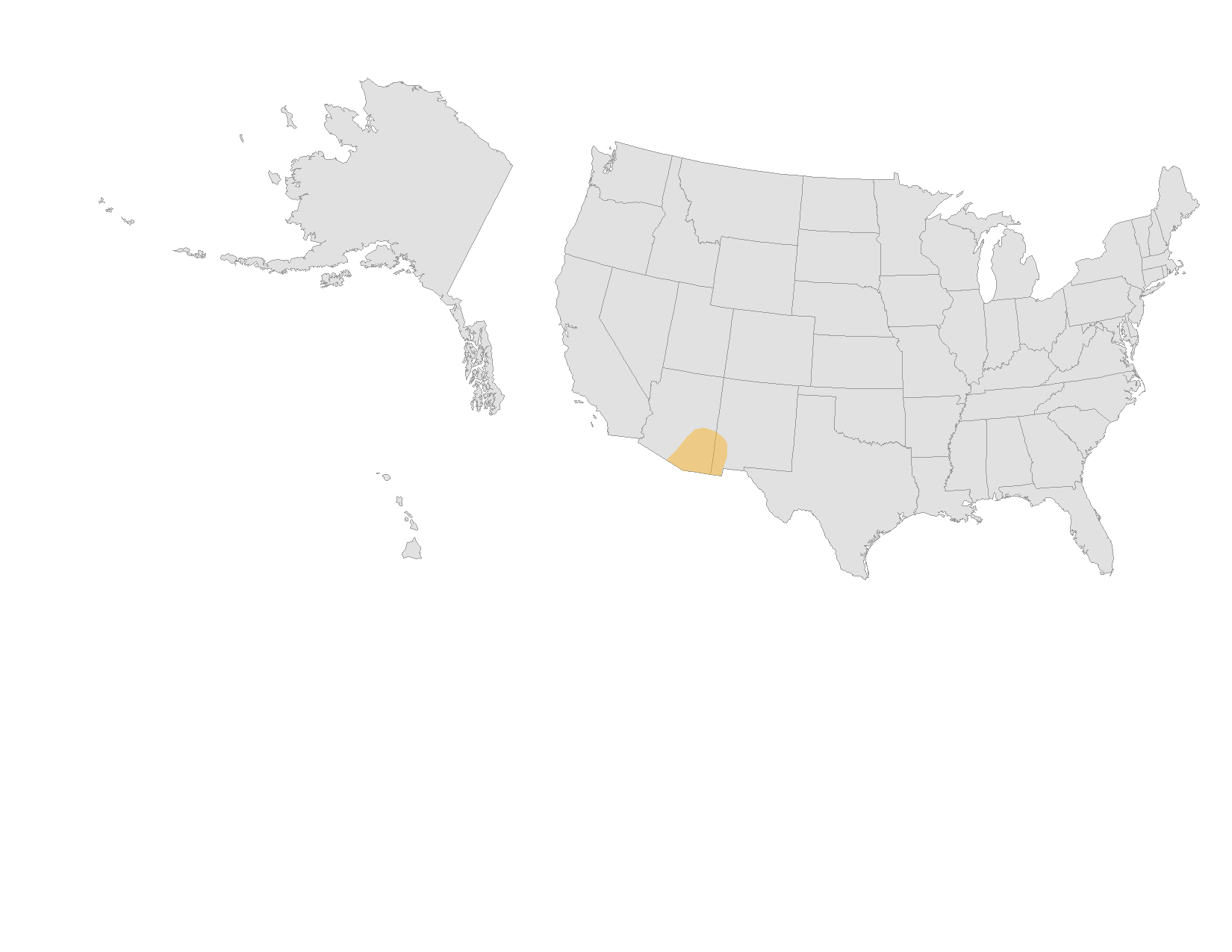
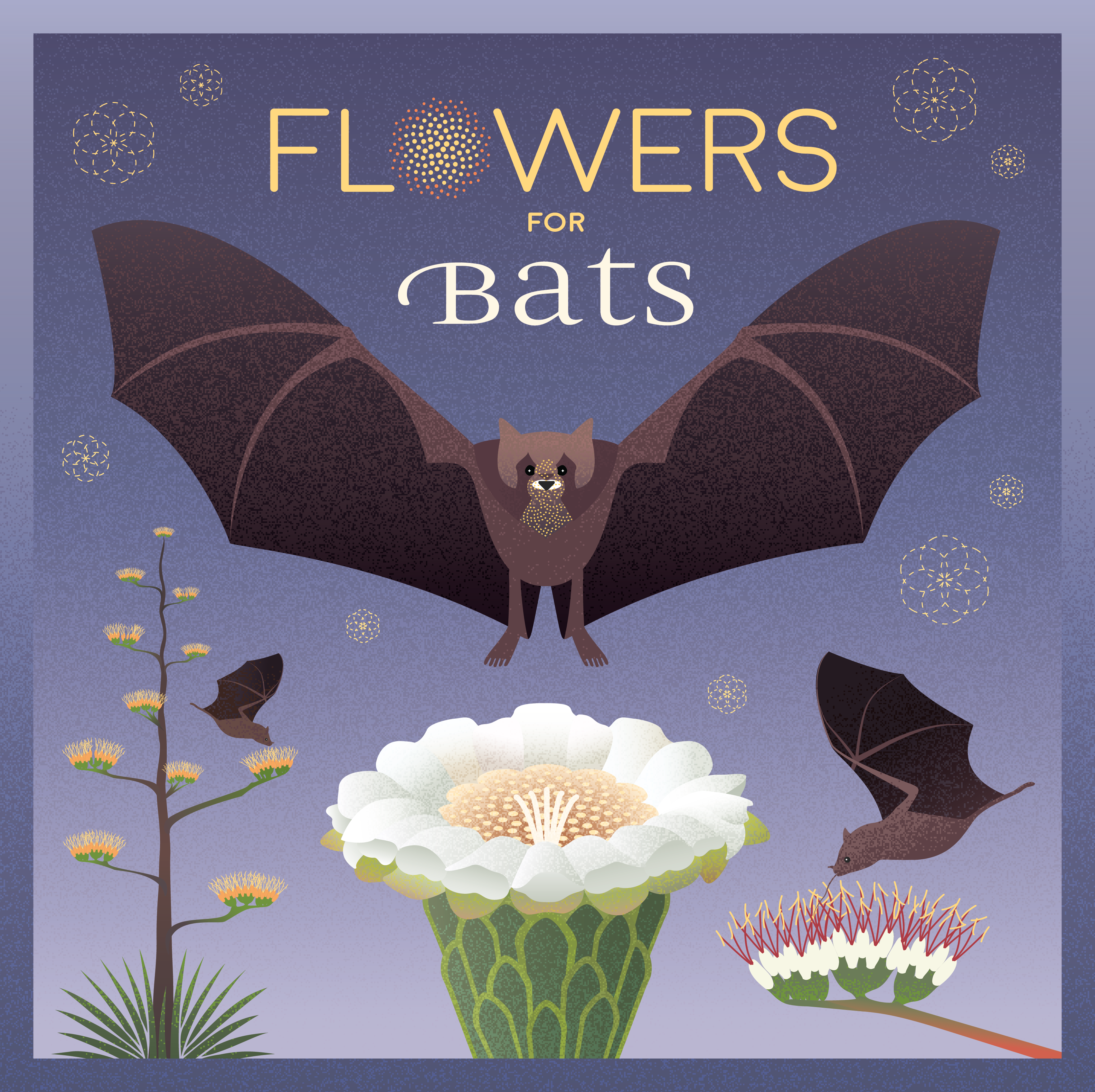
Flowers for Bats
Observe flowering of agave, saguaro, and other columnar cacti in Southeastern Arizona and Southwestern New Mexico and help the US Fish & Wildlife Service conserve and promote habitat for lesser long-nosed bats.
Mayfly Watch
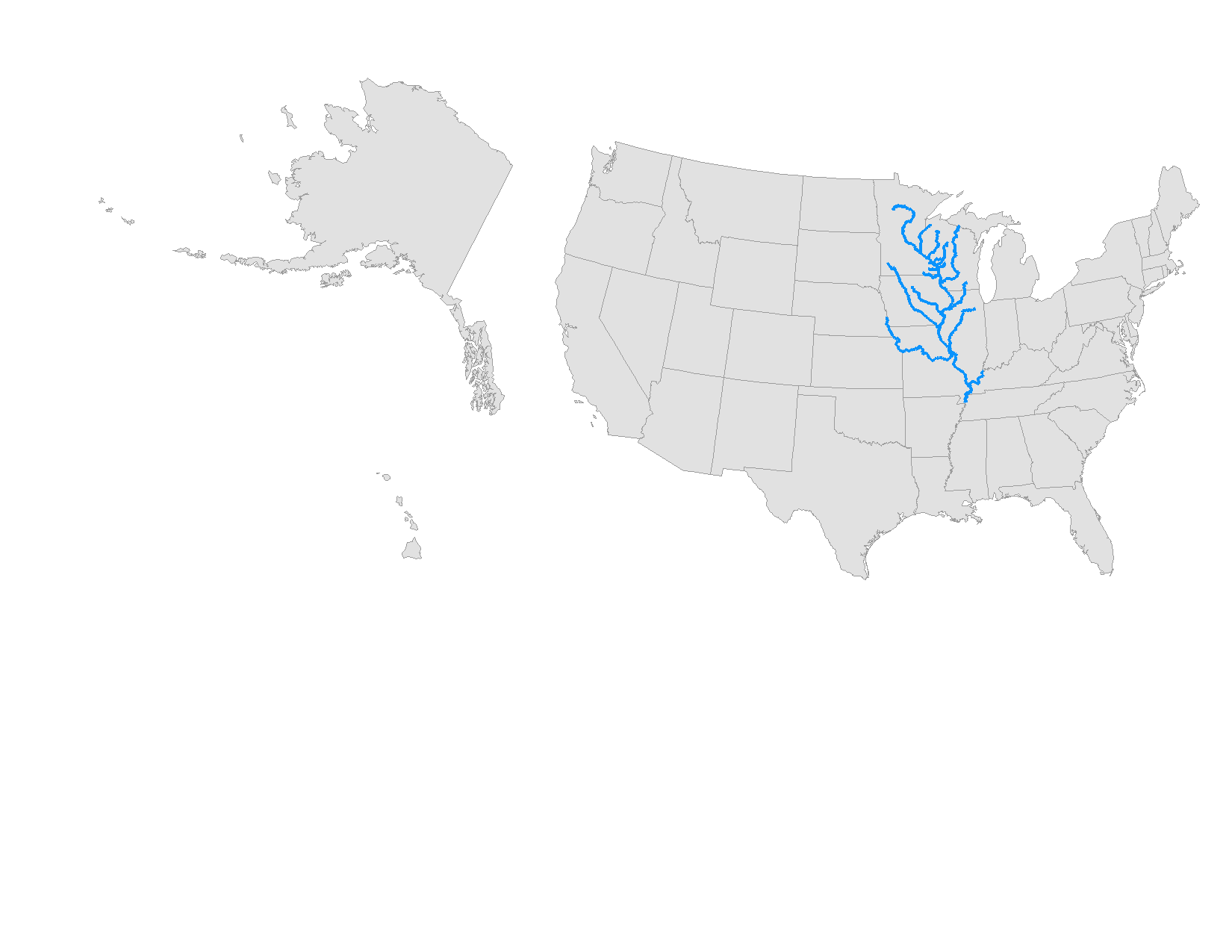
Track the emergence of mayflies along the Upper Mississippi River and its tributaries and help the US Fish & Wildlife Service understand the phenology of this species that is an important food source for a variety of animals and a good indicator of water quality.
Completed Campaigns
Pesky Plant Trackers
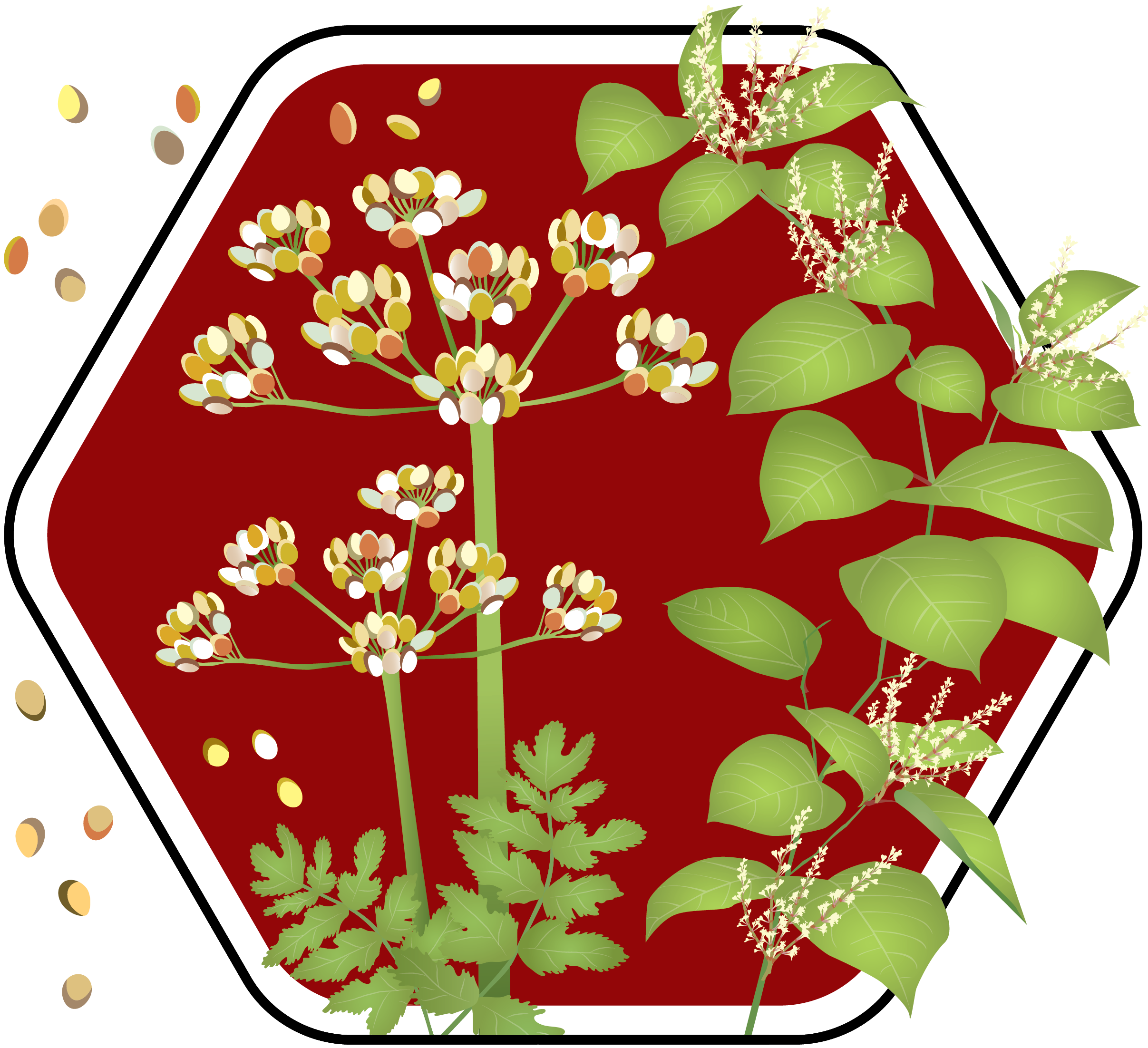
Observations of non-native wild parsnip, Japanese knotweed, and bohemian knotweed can help managers to correctly time management activities aimed at controlling these species. This campaign engaged observers in collecting data on leafing, flowering, and fruiting of these invasive plants in the Midwest and Northeast from 2020-2022.
Shady Invaders
Shady Invaders was a project created by researchers at Penn State University to explore the timing of leaves on invasive and native shrubs. The goal of the project was to start to quantify ELP on a regional scale so that we can understand how or if increased shading is actually impacting deciduous forest ecosystems.
Southwest Season Tracker
Southwest Season Trackers was created to engage the Southwest community to bolster efforts of USDA Agriculture Research Service (ARS) scientists to assess and improve performance of models that predict timing of seasonal activity in common shrub and grass species. The observations contributed to Nature’s Notebook were being used to verify predicted dates of start and end of the growing season based on an ongoing six-year study of plant phenology on the Jornada Experimental Range in southern New Mexico.
PopClock
PopClock was a partnership between scientists and volunteers to study climate change impacts on poplar trees. With a grant from the National Science Foundation, a research team from the University of Maryland Center for Environmental Science (UMCES) Appalachian Laboratory is examining how forest trees are responding to rapidly changing climatic conditions.
Track a Lilac
Track a Lilac was a USA National Phenology Network citizen science project that was part of PBS Nature's American Spring LIVE series, airing on April 29, 30 and May 1, 2019. American Spring LIVE was a real-time, live-action broadcast, transmedia, and outreach project for family audiences that focuses on seasonality and phenology and casts Spring as a powerful engine of change in the natural world. The creators sought to inspire scientific discovery and a new appreciation of the natural world among viewers.