Sections
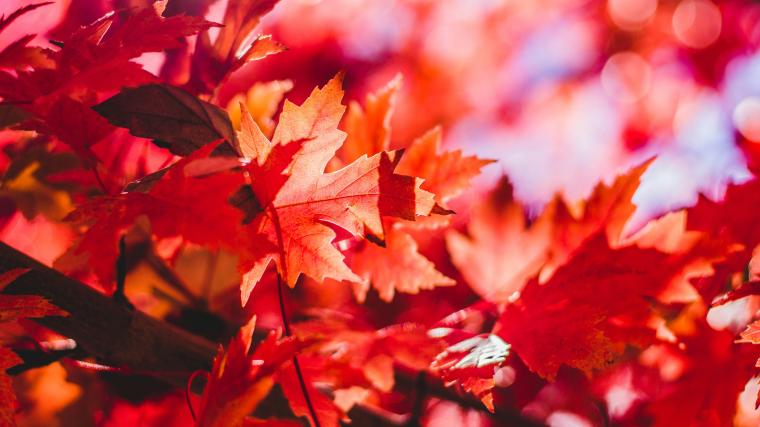
Weather impacts autumn phenology differently in the eastern and western U.S.
Mon, May 04, 2026
The timing of phenological events in autumn like leaf color and leaf fall have important consequences for nutrient cycling, species interactions, and even tourism. However, there has been less research on autumn phenology than spring phenology and the effects of temperature, precipitation, and day length are not well understood. To fill this gap, researchers used Nature’s Notebook observations of autumn phenology from woody plant species across the U.S. They found strong regional differences. Leaf color in the eastern U.S. was driven primary by summer temperatures, whereas in the western U.S., leaf color change was influenced more strongly by precipitation that occurred more than six months prior. Given these differences, the effects of climate change are likely to be complex. Increased temperatures may extend the growing season for some plants and increased drought may shorten the growing season for others.

Introducing the Thermal Calendars tool
Mon, Mar 09, 2026
Temperature is an important factor governing when seasonal events happen in many plant and animal species. For many species, events like leaf-out, flowering, and egg hatch are triggered when a specific amount of heat has accumulated since the start of the year. We typically measure accumulated heat in growing degree days (GDDs). The Thermal Calendars tool indicates when particular GDD levels (or thresholds) of accumulated warmth are met each year in the northeastern U.S. Local resource managers can use the tool to determine when problematic insect pests are expected to enter particular life stages when they may cause the most damage or are most readily controlled.

Nature’s Notebook observations reveal clear changes in New Jersey
Mon, Mar 09, 2026
Global temperatures are increasing and the impacts are numerous and wide ranging. Temperatures have been rising at a particularly fast rate in the northeastern U.S., including many densely populated areas like New Jersey. To document environmental changes and better understand the impacts of climate change in this region since the mid-1960s, researchers gathered data on sea and air temperatures, lake ice, and snowfall. They complimented the weather data with observations of spring leaf-out and flowering in local lilac plants. The researchers found clear evidence of climate change, with notable increases in both daytime and nighttime temperatures and earlier spring plant activity. These changes will have numerous economic, social, and ecological impacts. Among other effects, earlier spring onset has the potential to alter plant-pollinator interactions and the length of the pollen and growing seasons.